


What Sells Better: Vacant or Occupied Homes?

May 28
5 min read
When preparing to sell, one of the most common questions homeowners ask is: What sells better, a vacant home or an occupied home?
The answer depends on the property, the price point, the local market, and how well the home is presented. But in most cases, the homes that perform best are the ones that help buyers quickly understand the space and imagine themselves living there.
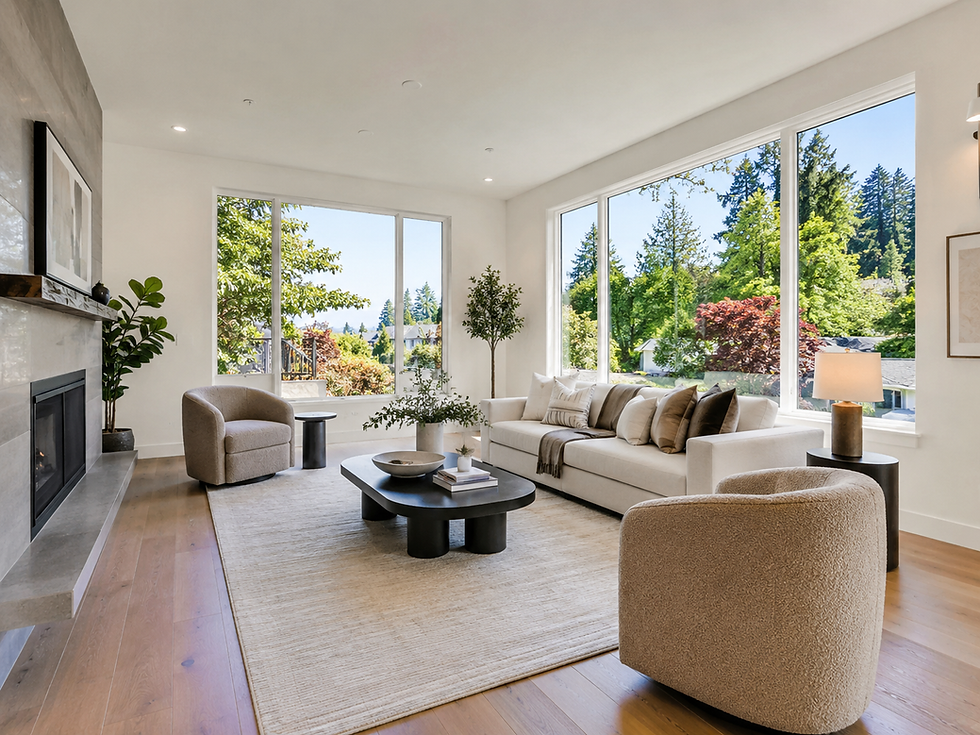
That is where home staging before listing can make a major difference.
According to the National Association of Realtors, 83% of buyers’ agents said staging made it easier for buyers to visualize a property as their future home.
NAR also reported that 49% of sellers’ agents said staging reduced time on market, and 29% of real estate agents said staging led to a 1% to 10% increase in the dollar value offered.
In other words, staging is not just about decorating. It is a marketing strategy.
1. Vacant and Staged Homes
In many cases, a vacant staged home creates the strongest first impression.
A vacant home that has been professionally staged gives buyers the best of both worlds. It feels clean, fresh, neutral, and move-in ready, while still showing warmth, scale, and function. Buyers are not distracted by personal belongings, family photos, pets, or everyday clutter. Instead, they can focus on the home itself.
Vacant home staging can be especially helpful when:
The home has an open floor plan
The rooms feel small without furniture
The layout is unique or hard to understand
The goal is to create a more polished first impression
Staging helps buyers understand how each room can be used. It shows where a sofa might go, how a dining space functions, whether a bedroom can fit a larger bed, and how the home flows from one space to the next.
This matters because most buyers see the home online before they ever schedule a showing. Strong listing photos can lead to more clicks, more showings, and more buyer interest.
The main downside of staging a vacant home is cost. Vacant staging usually includes furniture rental, delivery, design, installation, and monthly rental fees. But for many sellers, especially with remodeled homes or homes that need stronger visual presentation, the investment is almost always worth it.
2. Occupied and Staged Homes
An occupied staged home can also perform extremely well.
This option keeps the warmth of a lived-in home while removing distractions that might keep buyers from connecting with the property. The goal is not to make the home feel empty or sterile. The goal is to make it feel clean, welcoming, and easy for buyers to imagine as their own.

Occupied home staging often includes:
Decluttering countertops, shelves, and closets
Removing personal photos and overly specific decor
Rearranging furniture to improve flow
Making the home easier to photograph
An occupied home that has been thoughtfully staged can feel comfortable and relatable. Buyers can see how the home lives day to day, but without feeling like they are walking through someone else’s private space.
The challenge is that the seller still has to live in the home while it is listed. That means keeping the home show-ready, managing pets, reducing daily clutter, and staying flexible with showing requests.
For many sellers, this approach is a great balance. It can improve presentation without requiring the seller to move out before listing.
3. Occupied and Not Staged Homes
An occupied home that is not staged can still sell, especially if it is clean, updated, and already well-designed. But this is where presentation can become more unpredictable.
Buyers may have a harder time focusing on the property if they are distracted by the way the current owner lives in the home. Too much furniture, personal items, pet supplies, kids’ belongings, or crowded rooms can make it harder for buyers to picture their own life there.
Common issues with unstaged occupied homes include:
Rooms feeling smaller than they actually are
Buyers focusing on furniture instead of the layout
Personal items making the home feel less neutral
Clutter making the home feel like it has less storage
Dark rooms not showing well in photos
Spaces without a clear function
Strong decor choices distracting from the home itself
That does not mean every occupied home needs full professional staging. Sometimes the best plan is simple and affordable.
A seller may only need:
A pre-listing walkthrough
Decluttering guidance
A deep clean
Minor furniture rearranging
Better lighting
Fresh linens or simple decor updates
Help deciding what should be packed before photos
The goal is to make the home feel as open, clean, and buyer--friendly as possible before it hits the market.
4. Vacant and Not Staged Homes
A vacant home that is not staged is usually the most challenging presentation for a traditional buyer.
Empty homes can feel cold and less memorable. Without furniture, buyers may struggle to understand scale, room function, and flow. A vacant living room may look smaller online. An empty bedroom may feel plain. An awkward nook or open space may leave buyers unsure how they would use it.
Vacant, unstaged homes can create challenges because:
Empty rooms can feel smaller in photos
Buyers may have trouble visualizing furniture placement
Minor imperfections become more noticeable
The home can feel less warm or emotional
Online listing photos may not stand out
Buyers may spend more time questioning the layout
The home may feel less move-in ready
That said, selling a vacant house without staging can still make sense in some situations.
It may work well when:
The home is a fixer or investor property
The home is priced aggressively
The seller needs a quick and simple listing process
The buyer pool is likely focused on renovation potential
The home has strong architecture or finishes that stand on their own
But for a typical retail buyer, a vacant unstaged home often asks the buyer to use more imagination. Not every buyer can do that easily.
So, What Sells Better?
In general, the strongest order is:
Vacant and staged
Occupied and staged
Occupied and not staged
Vacant and not staged
The reason is simple: buyers respond to homes they understand quickly and emotionally.
A well-staged home can help buyers:
Visualize themselves living there
Understand the size and purpose of each room
Connect emotionally with the property
Feel more confident about the layout
Spend more time looking at the home online
Remember the home after touring multiple properties
See the home as move-in ready
My Take
The best way to sell a home is not always about whether it is vacant or occupied. It is about whether the home is prepared in a way that helps buyers understand the space, connect emotionally, and picture themselves living there.
A vacant staged home often creates the cleanest, most polished presentation. An occupied staged home can also work very well when the home is decluttered, thoughtfully arranged, and kept show-ready.
Before listing, it is worth asking:
How will the home photograph online?
Will buyers understand the layout quickly?
Are there distractions that should be removed?
Does each room have a clear purpose?
Would staging, repairs, cleaning, or landscaping help?
That is why an in-person assessment matters. Every home is different, and the right strategy cannot always be decided from photos alone. Sometimes a home needs professional staging. Sometimes it only needs small adjustments, better lighting, or a stronger decluttering plan.
When I walk through a home, I help sellers decide what is actually worth doing before listing and what is not. I also offer 1.25% full-service listing representation for sellers in the Portland Metro and Southwest Washington area, including professional photography, a 3D tour for every listing, broad online exposure, vetted service provider recommendations, and cancel-anytime flexibility with 24-hour notice.
Whether your home is vacant, occupied, staged, or not staged yet, the best next step is a walkthrough so I can give you specific advice for your property.


